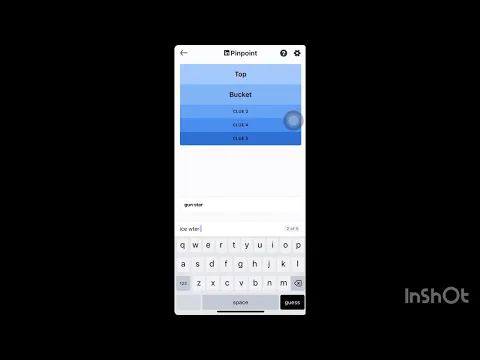
LinkedIn Pinpoint #520 Answer & Analysis
Looking for the Pinpoint #520 answer? Beyond Top, Bucket, Beret, Cowboy, and Fedora, the logic is trickier than you think. It's not about rankings or containers! Get our fast answer and expert logic tips below to save your streak now.
LinkedIn Pinpoint 520 Clues & Answer
💡 Hover (desktop) or tap (mobile) each clue to see how it connects to the answer
#1
Refers to the "Top Hat," the pinnacle of 19th-century formal attire.
#2
A casual, soft-brimmed hat popular in streetwear and outdoor activities.
#3
A soft, round, flat-crowned hat associated with French culture and military units.
#4
Defined by its high crown and wide brim, designed for specific environmental protection.
#5
A classic felt hat; the "if not on stands" qualifier forces the player to identify its form.
Answer: Kinds of hats
LinkedIn Pinpoint #520 Expert Logic
1. Introduction
LinkedIn Pinpoint #520 is a masterclass in categorical classification. While the clues span different eras of fashion and social classes—from the high-society ballrooms of the 19th century to the rugged American West—they are unified by a single functional purpose: headwear. This puzzle challenges players to look past the individual utility of each item and identify the overarching taxonomic "bucket" they all fall into.
2. How the Puzzle Came Together
The logic of this puzzle is built on stylistic diversity. It starts with the Beret and the Cowboy, two items that sit at opposite ends of the cultural spectrum (European artistic flair vs. American frontier utility). This juxtaposition prevents the player from narrowing the category too quickly to just "uniforms" or "costumes."
The introduction of the Bucket clue provides a modern, casual counterpoint, while the Top clue adds a layer of vintage formality. The final piece, Fedora (if not on stands), serves as the structural anchor. By adding the parenthetical qualifier, the puzzle designer ensures that the player views these items as distinct silhouettes rather than just "objects in a store." The logic flows from specific cultural icons to a universal functional category: the hat.
3. Category: Pinpoint 520
- A. Core Answer: Kinds of hats (or Types of hats)
- B. Difficulty Rating: 1.8 / 5.0 (The clues are highly recognizable icons of their category, making the connection relatively intuitive for most players).
4. Words & How They Fit
Semantic Logic Breakdown
- Sartorial Silhouette: Each clue represents a distinct shape that is instantly recognizable in fashion history.
- Functional Variation: The list covers formal, functional, cultural, and casual headwear, proving the "Category" logic is robust.
Logic Role Classification
| Clue | Logical Role | Why it fits |
|---|---|---|
| Top | The Formalist | Refers to the "Top Hat," the pinnacle of 19th-century formal attire. |
| Bucket | The Modernist | A casual, soft-brimmed hat popular in streetwear and outdoor activities. |
| Beret | The Cultural Icon | A soft, round, flat-crowned hat associated with French culture and military units. |
| Cowboy | The Utility Piece | Defined by its high crown and wide brim, designed for specific environmental protection. |
| Fedora | The Anchor | A classic felt hat; the "if not on stands" qualifier forces the player to identify its form. |
5. Better Analysis Directions
A. Red Herring Analysis (The "Container" Trap)
The word "Bucket" is the primary distractor here. A novice player might initially link "Bucket" with "Top" (as in "Top of a bucket") or think of "Containers." However, the inclusion of "Beret"—a word with almost no other common meaning—immediately breaks the container logic and redirects the player toward fashion.
B. Historical Pattern (The "Type Of" Logic)
Pinpoint frequently utilizes the "Types of X" framework. In historical data, when the game presents five nouns that don't share a verb or a physical location, they almost always represent subsets of a larger category. #520 follows this pattern perfectly, using diverse examples to define a singular noun.
C. The Expert Workflow
- Isolate the Unique: Identify Beret as the most specific clue. It has the fewest alternative meanings.
- Test the Link: Does a Cowboy have a Beret? No. Is a Cowboy a type of hat? Yes (a Cowboy hat).
- Verify the Rest: Apply the "Hat" suffix to the remaining clues: Top hat (Yes), Bucket hat (Yes), Fedora hat (Yes).
- Confirm with the Qualifier: The note "if not on stands" confirms we are talking about the physical objects themselves.
6. Lessons Learned From Pinpoint 520
The key takeaway from this puzzle is the power of Suffix Testing. When you have a list of nouns, try adding a common category word (like "hat," "cake," or "ball") to the end of each. If the suffix creates a common phrase for all five clues, you have found the logical bridge.
💡 Trivia: The Dramatic Debut of the Fedora
While we think of the Fedora as a classic piece of menswear, it actually got its name from a woman! The hat was named after the title character of the 1882 play Fédora by Victorien Sardou.
The character, Princess Fédora Romanoff, was played by the legendary actress Sarah Bernhardt, who wore a center-creased, soft felt hat on stage. The look became a symbol of the women’s rights movement before it was eventually adopted by men (including Prince Edward of Wales) in the 1920s, cementing its place in the "Kinds of hats" hall of fame.
FAQ
Q: Why was "Top" used instead of "Top Hat"? A: Pinpoint purposely uses the shortest version of a word to increase the difficulty. "Top" has many meanings (a toy, a shirt, a ranking), whereas "Top Hat" would give the answer away instantly.
Q: Does "Bucket" refer to the container or the hat? A: In the context of this specific set, it refers exclusively to the "Bucket Hat." The presence of four other hats makes this interpretation the only logical one.
Watch the logic walkthrough